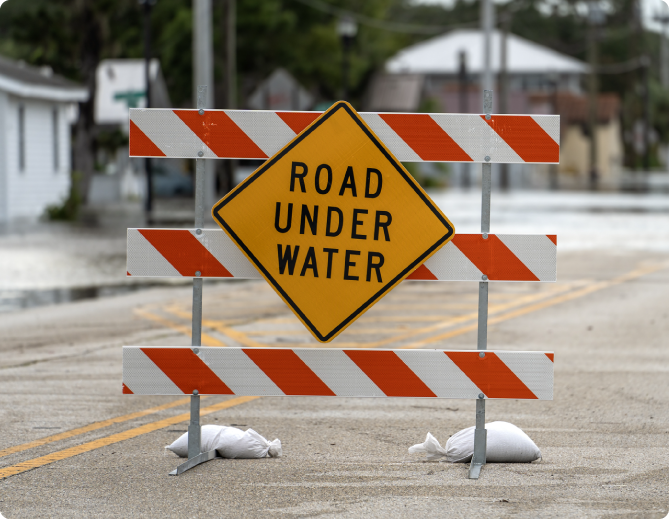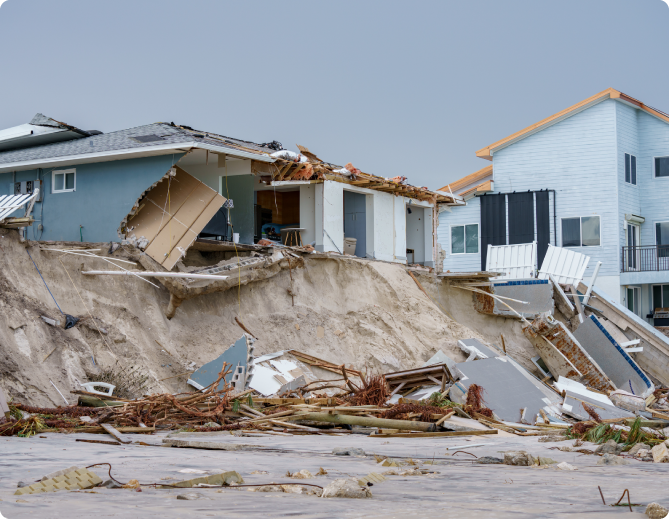

When the Storm Hits, Your Cat Disaster Restoration Software Scales Fast

“The Xcelerate program is AMAZING and waaaay better for our filing/workflow system for our restoration jobs than any other program that we have worked with in the past. ”
Monique Quam, Restoration Construction Abatement LLC
Engineered for CAT & Large Loss Events
Rapid Job Intake
Quickly create and triage jobs with standardized intake forms and automated workflows.
Mass Resource Coordination
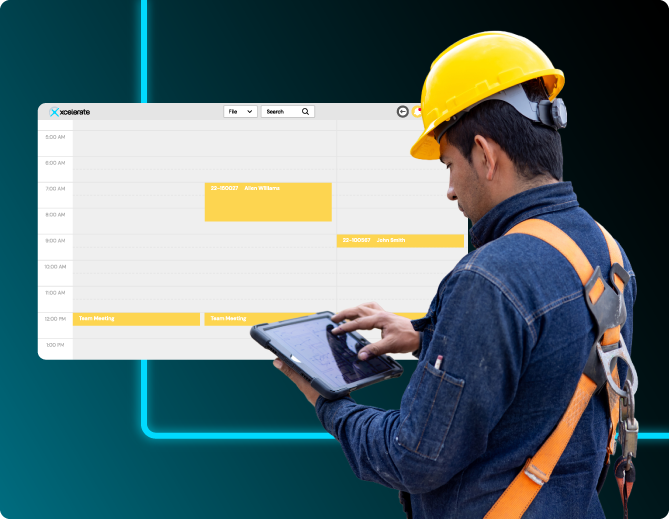
Assign crews, track equipment, and monitor job progress across impacted zones in real time.
Client & Carrier Updates
Centralize communication with property owners, insurers, and adjusters to reduce chaos and increase trust.
Real-Time Reporting
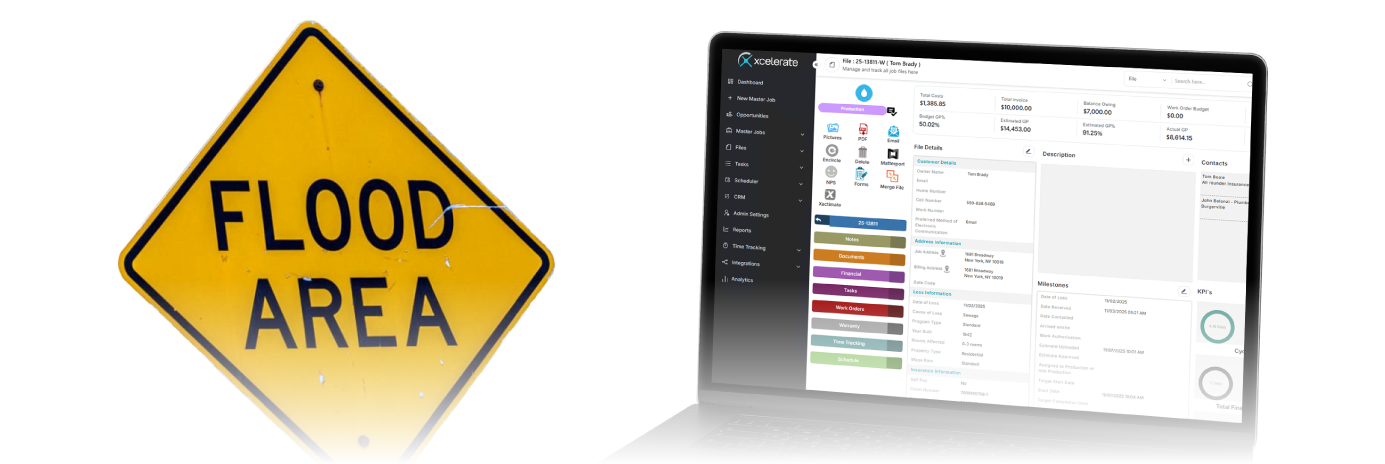
Get up-to-the-minute updates on job counts, crew locations, and production KPIs across regions.
Be First on Scene—With Systems Ready to Scale
- Rapid job intake with location-based triage
- Assign crews and equipment across wide areas
- Track job counts, statuses, and milestones live
- Share real-time updates with clients and adjusters
Know Who’s Where and What They’re Doing
- View technician productivity and assignments in real time
- Track drying equipment across jobs to reduce loss
- Identify bottlenecks or under-resourced zones
- Maximize daily job throughput with drag-and-drop tasking
- Support technicians in following a standardized process for documentation and compliance, ensuring accurate records and efficient workflow
Your Command Center for Every CAT Event
- Monitor KPIs like job starts, cycle time, and billable revenue
- Auto-generate event summary reports for leadership or insurers
- Ensure complete documentation and categorize estimates with the correct code for compliance before billing
- Present your operational readiness and ROI to future partners
The Need For Disaster Response Software
In the restoration industry, disaster response is more than just a service—it’s a mission-critical operation that demands speed, precision, and adaptability. Restoration professionals must be ready to mobilize at a moment’s notice, equipped with the right tools to handle catastrophic events efficiently. Restoration businesses rely on advanced technology to track shipments, manage resources, and provide real-time updates to both their teams and customers. With mobile devices and specialized apps, restoration companies can document damage on-site, track progress, and deliver accurate estimates directly to customers. For example, a technician can use a mobile app to capture photos of water damage, update job status, and instantly share critical information with the office and clients. This level of connectivity ensures that restoration companies can respond rapidly, allocate resources efficiently, and keep customers informed every step of the way.
Discover how Xcelerate is transforming mold remediation companies
Learn how restoration companies across the North America rely on Xcelerate to streamline operations, reduce waste, and grow sales.

Free resources to streamline and scale your business
The pain points that stall a fire damage restoration business
A fire loss can sit open for weeks after your crew finishes the mitigation work, and the reason is rarely the work itself. It's everything that happens around it: a bigger scope, a slower carrier approval, and a job file that nobody can confirm was profitable until the invoice finally clears.

Why "Encircle login" isn't your crew's real problem
Your tech logs into Encircle on a water loss at 8am, snaps 40 photos, sketches the affected rooms, and moves to the next call. By the time your estimator sits down to write the Xactimate estimate that afternoon, someone in the office has to remember which login, which project, and which folder those photos landed in.

Why one job always stalls when your crews are juggling five at once
Run five open jobs at once and one of them will fall behind, every time, unless something in your system catches it before your customer does. Not because your crews are careless. Because the busiest job always wins the attention, and the quieter one goes dark until someone notices the invoice never went out or the adjuster never got the estimate.